
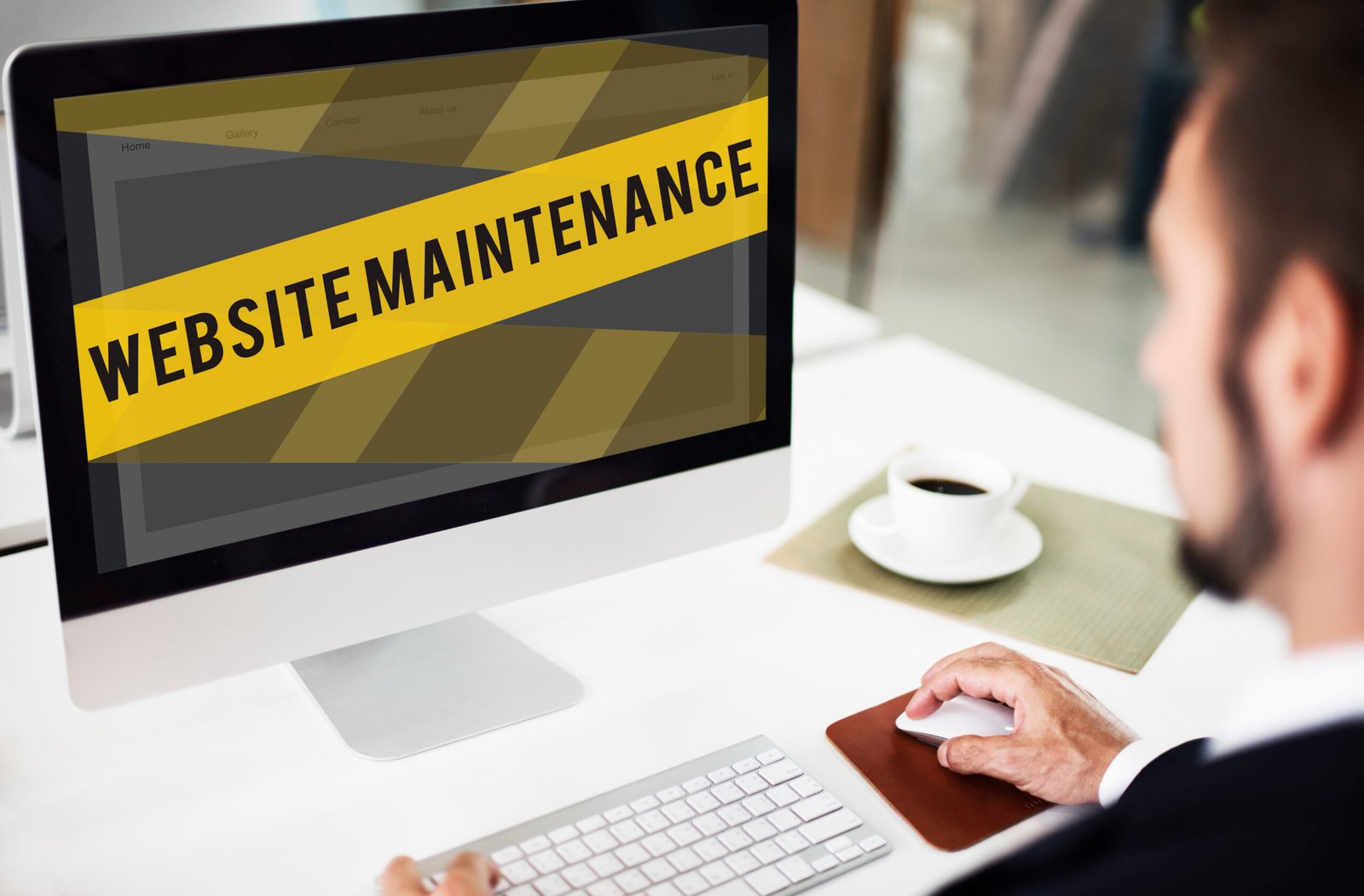
A business website requires regular attention long after it goes live. Software updates, changing browser requirements, security risks, and technical issues can affect how a website operates over time. Without consistent maintenance, even a professionally designed website may develop problems that interrupt customer access or make routine business activities more difficult.
For companies operating in Singapore, Website Maintenance Singapore services provide a structured way to keep websites updated, monitored, and aligned with business requirements. Woody Wood Web offers website maintenance and support to help businesses manage technical upkeep, improve website performance, and address issues as their digital needs evolve.
Keep Website Software Updated and Compatible
Websites often rely on content management systems, themes, plugins, and other software components. These components may release updates to address bugs, improve compatibility, or introduce important changes.
Delaying updates for too long can create compatibility problems or leave known vulnerabilities unresolved. However, applying updates without checking their impact can also disrupt website functionality.
A planned maintenance process includes reviewing available updates, checking dependencies, and testing important website functions after changes are made. This helps businesses maintain their websites while reducing the risk of unexpected interruptions.
Woody Wood Web’s maintenance service supports ongoing website upkeep so businesses can address these technical requirements more systematically.
Strengthen Website Security Through Regular Maintenance
Website security requires continued attention rather than a one-time setup. Outdated software, weak access controls, and neglected components can increase exposure to potential threats.
Businesses should review administrative access, remove unnecessary accounts, keep supported software updated, and ensure that appropriate backup procedures are in place. Security monitoring and periodic checks can also help identify issues that require further investigation.
The appropriate measures depend on the website’s platform, functionality, and the type of information it handles. Websites that process customer enquiries or transactions may require additional safeguards based on their specific risks.
Regular maintenance helps businesses keep these responsibilities visible and address security-related tasks as part of their ongoing website management.
Improve Website Performance and Loading Experience
Website performance affects how visitors interact with pages, forms, images, and other elements. Slow loading times or malfunctioning features can make it harder for customers to access information and complete important actions.
Performance maintenance may include reviewing image sizes, checking unnecessary scripts, examining caching configurations, and identifying components that contribute to slow page loading. Monitoring performance over time can help businesses distinguish isolated issues from recurring problems.
Woody Wood Web provides performance optimization as part of its website maintenance and support offering. The appropriate improvements depend on the website’s existing structure, hosting environment, and technical requirements.
Detect Technical Issues Before They Disrupt Visitors
A website can appear normal on the homepage while individual pages, forms, or interactive elements are experiencing problems. Broken links, unsuccessful form submissions, display errors, and failed integrations can affect customer interactions without being immediately obvious.
Routine checks help businesses identify these issues and determine which problems require attention first. Important website functions should be reviewed periodically, particularly after software updates or significant content changes.
A practical maintenance process can include checking key pages, testing enquiry forms, reviewing error reports, and confirming that essential functions operate as intended.
Addressing problems promptly helps reduce the time visitors may spend encountering technical difficulties.
Maintain Backups and Recovery Readiness
Website changes do not always go as planned. A faulty update, accidental deletion, or technical incident can affect content and functionality. Without a suitable recovery plan, restoring the website may take longer than necessary.
Businesses should establish a backup process that reflects the importance and update frequency of their website. They should also understand where backups are stored, how long they are retained, and how restoration would be carried out if needed.
Backups should be checked periodically rather than assumed to be usable. Where appropriate, restoration procedures can be tested in a controlled environment to identify problems before an actual incident occurs.
A considered recovery process provides an additional layer of operational preparedness.
Keep Website Content and Features Relevant
Business information changes over time. Services evolve, contact details are updated, new pages are published, and existing content may become inaccurate.
Maintenance provides an opportunity to review these changes and keep important website information current. Businesses can check service descriptions, contact details, links, forms, and other content that visitors rely on when evaluating a company.
Technical upkeep may also involve reviewing plugins and features that are no longer needed. Removing unnecessary components, where safe and appropriate, can simplify ongoing management and reduce avoidable complexity.
Keeping a website relevant supports both its practical usefulness and its professional presentation.
Plan Technical Support Around Business Priorities
Not every website requires the same level of maintenance. A small business website with a few informational pages has different requirements from an e-commerce platform or a website with multiple integrations.
Businesses should consider how important their website is to daily operations, how frequently its content changes, and what the consequences of downtime would be. These factors can help determine which checks should happen routinely and which issues need a faster response.
Woody Wood Web offers ongoing technical support to help businesses address website-related requirements. The scope and response arrangements should be agreed according to the website’s needs and the support package selected.
Why Choose Woody Wood Web for Website Maintenance Singapore?
Effective website maintenance combines regular technical checks with a clear process for handling problems and implementing changes. Businesses need to know which components require attention, how updates will be managed, and how important website functions will be checked.
Woody Wood Web provides website maintenance and support covering security updates, performance optimization, and ongoing technical assistance. This service is relevant to businesses that want to maintain their websites without leaving technical upkeep entirely to occasional troubleshooting.
For Singapore businesses, a planned maintenance approach can help keep websites aligned with changing requirements while supporting a consistent experience for customers and visitors.
Conclusion
A website’s reliability depends on what happens after launch as much as on its initial design and development. Regular updates, security checks, performance reviews, tested backups, and timely technical assistance all contribute to better ongoing website management.
Through Website Maintenance Singapore, Woody Wood Web helps businesses address the continuing technical requirements of their websites. By establishing a consistent maintenance process, organisations can reduce avoidable disruptions, keep essential information current, and maintain a dependable digital presence as their business needs change.